Review: Unique Abstract One Line Flower for Branding
As an embroidery designer who has spent years digitizing and testing files for commercial use, I approach every new machine embroidery design with a critical eye. It is not just about whether the design looks pretty on a screen; it is about how it performs under the needle, how it wears over time, and most importantly, how it elevates a brand. Recently, I reviewed the Unique Abstract One Line Flower, a piece from the Single Flowers category that promises elegance and ease. For small business owners, Etsy sellers, and apparel decorators, this review breaks down whether this design is a viable asset for your branded merchandise strategy.
First Impressions: Minimalism Meets Elegance
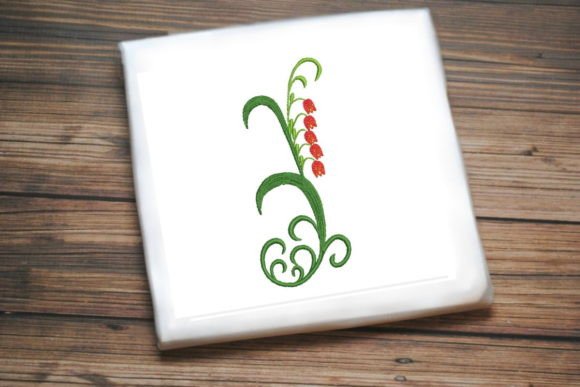
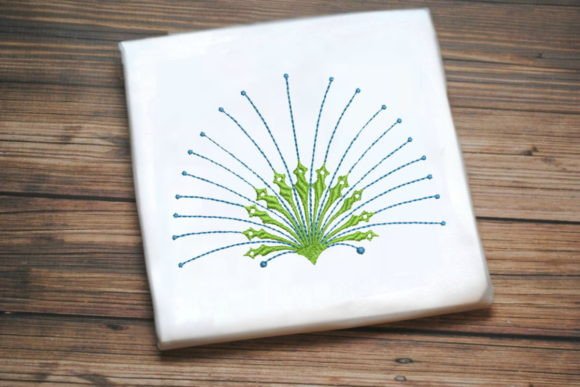
The first thing that strikes you about the Unique Abstract One Line Flower is its deceptive simplicity. In a market saturated with overly complex, high-density floral patterns, this design offers a breath of fresh air. The "one line" aesthetic suggests a continuous, fluid motion that feels both modern and handmade. It does not scream for attention; rather, it invites a closer look. This visual personality is crucial for brands aiming for a premium, boutique feel. It feels friendly yet professional, striking a balance that is often difficult to achieve in digital embroidery file formats.
For creative studios, florists, or bakeries, this design aligns perfectly with current trends favoring minimalism and organic shapes. It avoids the rustic clutter that can sometimes plague floral designs, opting instead for a clean, sophisticated silhouette. When I visualize this stitched onto a canvas tote or a linen apron, it exudes a sense of curated taste. It is not just decoration; it is a statement of brand identity that says, "We value quality and subtlety."
Real-World Application for Small Business Merch
The true test of any design is its versatility in real-world applications. I evaluated how the Unique Abstract One Line Flower would perform across various small business merch items. Here is where this design truly shines:
- Embroidered Patches: This is perhaps the strongest use case. The continuous line work translates beautifully into an embroidered patch. Because the design is abstract, minor imperfections in stitching are less noticeable than they would be in a geometric logo. It makes for an excellent add-on product for craft fairs or an upsell at checkout.
- Staff Uniforms and Aprons: For cafes and boutiques, apron embroidery is a subtle way to brand staff without looking corporate. Placing this flower on the chest pocket or the lower corner of an apron adds a touch of warmth. It softens the uniform, making staff appear more approachable and aligned with a handmade ethos.
- Tote Bags and Packaging: As a tote bag design, the abstract flower works well as a central focal point or as part of a larger pattern repeat. It enhances the perceived value of the bag, turning a simple utility item into a fashionable accessory that customers will want to reuse.
- Cap Embroidery: While delicate, this design can work on caps if scaled correctly. It serves as a nice side-panel accent or a small front-center logo for brands that want to avoid heavy, blocky text logos.
Using this design as a customer gift or a thank-you note accent on packaging can significantly boost buyer engagement. It shows attention to detail, reinforcing the trust customers place in your handmade product offerings.
Technical Considerations and Stitch Performance
While the description states that the Unique Abstract One Line Flower is "fun and easy to stitch," experienced embroiderers know that "easy" is relative. The continuous line style means there are likely fewer jumps, which is great for production speed. However, the lack of internal fill means the design relies entirely on the precision of the outline stitches.
Stitch density is a critical factor here. If the density is too low, the fabric may show through, breaking the illusion of the continuous line. If it is too high, the fabric might pucker, especially on lighter materials like silk or thin cotton. I recommend testing this design on various fabric texture types. It will likely perform best on medium-weight cottons, linens, and canvas. On textured fabrics like terry cloth or heavy fleece, the fine lines might get lost or distort.
Another technical note concerns thread colors. Since this is a line-art style design, contrast is key. A monochromatic look (black thread on white fabric) is classic and bold, but using a tonal variation (e.g., sage green thread on olive fabric) can create a sophisticated, understated effect. Always run a test stitch-out to ensure the thread sheen complements the fabric rather than overpowering it.
Where to Use Caution
No design is perfect for every application. There are specific scenarios where you should approach the Unique Abstract One Line Flower with caution:
- Very Small Sizes: If you shrink this design too much for a tiny label or a small patch, the single line may become too thin to stitch cleanly. The needle perforations might merge, causing the line to look broken or messy. Always check the minimum recommended size.
- Dark Uniforms with Light Thread: If you are stitching a light-colored flower on a dark uniform, ensure you have a proper underlay. Without it, the dark fabric may peek through the single line, reducing visibility and professionalism.
- High-Wear Items: While elegant, a single-line design has less structural integrity than a filled satin stitch logo. On items that undergo frequent, harsh washing (like gym wear), the threads may loosen faster. Reinforce with high-quality stabilizer and consider a tear-away backing for added support.
Enhancing Brand Identity and Trust
In the world of commercial embroidery, consistency is king. The Unique Abstract One Line Flower can serve as a versatile element in your broader design assets. It can be paired with typography for logos, used as a watermark on printable mockup files, or integrated into social media graphics.
When customers see this level of thoughtful design on your custom apparel or packaging, it signals professionalism. It tells them that you care about the aesthetics of your brand. This emotional connection drives recognition and loyalty. A well-executed embroidered detail can justify a higher price point, as it transforms a generic item into a bespoke finished product.
Practical Designer Notes for Production
Before you commit to a large production run, follow these steps to ensure success with this digital embroidery file:
- Test in Black and White First: This helps you evaluate the shape and flow without the distraction of color. If it looks good in black and white, it will look good in any color.
- Check Hoop Size Compatibility: Ensure the design fits comfortably within your standard hoop size without requiring excessive re-hooping, which can lead to misalignment.
- Verify Commercial Licensing: The product description mentions it is high-quality, but always confirm the license terms. Ensure you have the right to use it for commercial embroidery projects and sold goods.
- Create a Mockup: Before stitching, create a digital printable mockup to show clients or stakeholders. This saves time and thread by getting approval on placement and size virtually.
- Inspect Spacing: Look closely at the digitizing. Are there any areas where the line doubles back on itself too closely? This can cause thread breaks. A quick inspection can save hours of troubleshooting.
In conclusion, the Unique Abstract One Line Flower is a strong contender for small businesses looking to add a touch of elegance to their merchandise. It is versatile, modern, and emotionally resonant. By understanding its technical nuances and applying it strategically, you can leverage this design to enhance your brand identity and create products that customers love to keep and share. Always remember to check the specific file details provided by the creator, such as exact stitch count and format compatibility, to ensure a smooth production process.