Pink One Line Flower: A Designer’s Review
As an embroidery designer who has spent years digitizing patterns and reviewing thousands of files for client projects, I have learned that simplicity is often the hardest thing to execute well. When I first loaded the Pink One Line Flower into my software, my immediate reaction was one of cautious optimism. In the world of machine embroidery, "one line" or continuous line designs can easily look messy if the digitizing isn't precise. However, this design manages to strike a delicate balance between minimalism and elegance. It is not just a shape; it is a statement piece that relies on clean execution rather than dense fill stitches to make its impact.
First Impressions and Visual Personality
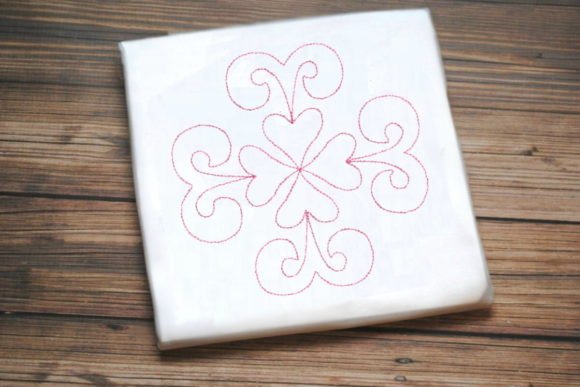
The mood created by the Pink One Line Flower is inherently soft, modern, and feminine. Unlike traditional floral Embroidery designs that rely on heavy satin stitches or complex shading, this piece uses a single, unbroken path to define the petals and stem. This approach gives it a hand-drawn, sketch-like quality that feels very contemporary. For designers working within the Single Flowers category, this is a refreshing departure from the overly detailed botanicals that dominate the market. The visual personality is light and airy, making it an excellent candidate for projects where you want the fabric texture to remain visible rather than covered by thick thread.
What stands out most is the flow of the line. In poor quality digital files, continuous lines often have awkward jumps or uneven tension points. Here, the curves feel organic. The design suggests movement, as if the flower was drawn in a single, confident breath. This makes it particularly appealing for brands that focus on wellness, mindfulness, or modern home decor, where cluttered visuals are avoided in favor of calm aesthetics.
Real-World Application: The Tote Bag Test
To truly evaluate a machine embroidery design, you have to take it off the screen and put it on fabric. I recently used this file for a custom order involving a set of canvas tote bags for a local boutique. The client wanted something that looked artisanal but could be produced quickly. The Pink One Line Flower was the perfect solution. Because it is primarily composed of running stitches or light satin work (depending on the specific digitizing choice for the line weight), it stitched out rapidly without pulling the canvas fabric out of shape.
The result was gorgeous. On the natural beige canvas, the pink thread popped with a subtle warmth. It didn't look like a heavy, industrial logo; it looked like a personalized touch. This is crucial for Etsy sellers and small shop product creators. Customers are increasingly drawn to items that feel handmade and thoughtful. A heavy, dense design can sometimes make a tote bag stiff or uncomfortable to hold, but this lightweight floral accent maintained the drape and softness of the bag. It transformed a basic utility item into a chic accessory suitable for farmers' markets or daily commutes.
Versatility Across Products
Beyond tote bags, I see immense potential for this design in custom apparel. Imagine this flower embroidered on the cuff of a white linen shirt or near the hem of a midi skirt. Its slender profile means it doesn't bulk up the garment, which is a common complaint with larger floral motifs. For sweatshirt embroidery, it works beautifully on the chest or sleeve, provided you use a appropriate stabilizer to prevent the knit fabric from puckering around the stitch line.
It is also a strong contender for baby embroidery projects. Parents often prefer softer, less aggressive designs for infant clothing. The gentle curves of the Pink One Line Flower are safe and sweet, making it ideal for onesies, burp cloths, or nursery wall hangings. Furthermore, for those creating holiday embroidery gifts, such as Mother’s Day aprons or Valentine’s Day tea towels, this design serves as a versatile base. It can be scaled down for a subtle accent or enlarged for a bold centerpiece, though care must be taken with scaling to maintain stitch integrity.
Technical Considerations and Fabric Choices
While the design is described as fun and easy to stitch, experienced embroiderers know that "easy" is relative to fabric choice. Because this is a line-based design, it lacks the coverage of a fill stitch pattern. This means the background fabric plays a huge role in the final appearance. On dark fabrics, a single line of pink thread might get lost unless you use a high-contrast thread color or add a backing layer. I recommend testing the design on scrap fabric first, especially if you are working with textured materials like terry cloth or waffle weave. The line needs a relatively smooth surface to appear crisp.
Stabilizer selection is critical. Since the design does not have a dense underlay to anchor it firmly, using a cut-away stabilizer is advisable for stretchy fabrics like jersey or sweatshirt fleece. For woven fabrics like cotton or linen, a tear-away stabilizer usually suffices. Always check your hoop size compatibility. While the design is likely small enough for standard hoops, ensure that your machine can handle the specific dimensions without requiring excessive re-hooping, which can lead to misalignment.
Commercial Value and Branding
For craft business owners, the value of a design lies in its versatility and speed. The Pink One Line Flower scores high on both counts. It stitches out quickly, reducing machine time and increasing profit margins per unit. Moreover, its aesthetic aligns well with current trends in minimalist branding. Using this as part of your design assets allows for consistent branding across various products, from patches to pillows.
When creating printable mockup images for your online store, this design photographs exceptionally well. It doesn't create harsh shadows or glare, which can happen with dense satin stitches. This makes it easier to showcase the true color and texture of your finished product in digital listings. For commercial embroidery projects, such as corporate gifts or boutique merchandise, the elegant look of this flower adds a touch of sophistication that can justify a higher price point.
Designer Notes for Best Results
- Test Thread Contrast: Before committing to a final product, stitch a sample on your intended fabric. Pink thread on white fabric looks different than pink on cream or gray. Ensure the contrast suits your vision.
- Check Stitch Density: Although it is a one-line design, verify the density settings in your software. If the line is too thin, it may break easily during washing. If it is too thick, it may lose its delicate appearance.
- Inspect Small Details: Zoom in on the start and end points of the line. Ensure there are no loose threads or messy trims that could unravel over time.
- Confirm Licensing: Always review the license terms associated with the digital embroidery file. Confirm whether you are allowed to sell finished items featuring this design, especially if you are an Etsy seller or run a small boutique.
- Fabric Suitability: Avoid using this design on highly textured fabrics like heavy wool or shaggy fleece unless you use a topping stabilizer, as the line may sink into the pile and become invisible.
In conclusion, the Pink One Line Flower is a solid addition to any designer’s library. It is not just a pretty picture; it is a practical, versatile tool for creating modern, elegant handmade products. Whether you are stitching a personalized gift for a friend or producing inventory for your small shop, this design offers the clarity and charm needed to engage buyers and elevate your craft. Just remember to respect the technical nuances of line embroidery, and you will find it to be a reliable and beautiful asset in your workflow.