Reviewing Amazing Traditional Border for Gifts
As an embroidery designer who has spent years digitizing patterns and testing them on everything from crisp linens to stretchy knits, I approach every new machine embroidery design with a critical eye. When I recently loaded the Amazing Traditional Border into my software, I was looking for more than just aesthetic appeal. I needed to know if this design could hold up in a real-world production environment for a personalized gift shop. The promise was simple: a high-quality design that is fun, easy to stitch, and elegant on any fabric. But does it deliver when the stakes are high, such as when creating a heirloom baby blanket or a custom wedding keepsake?
First Impressions: Mood and Aesthetic Appeal
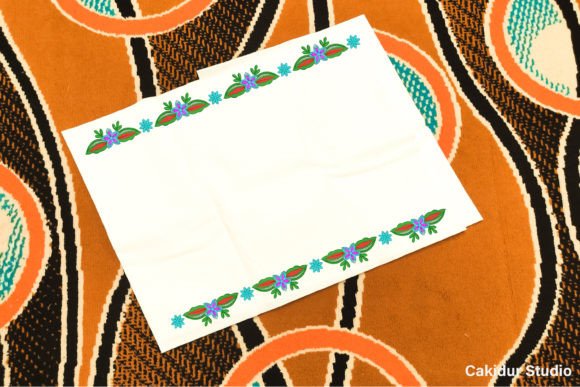
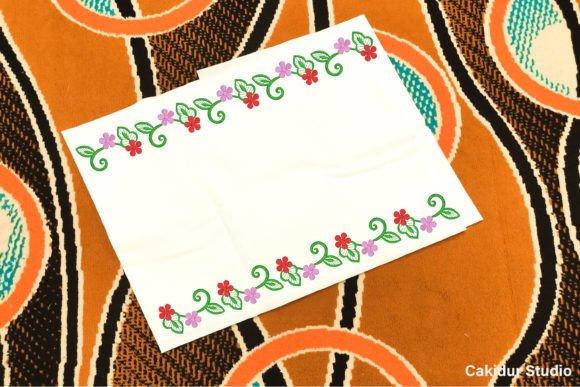
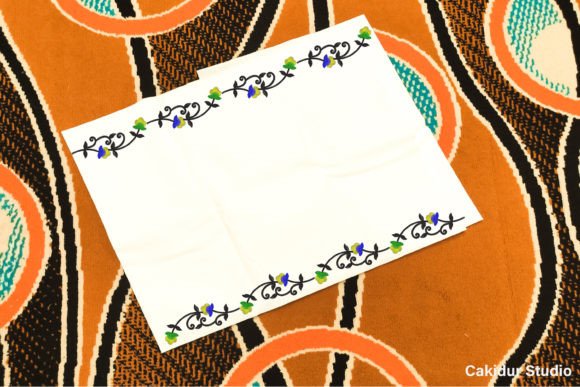
The moment I viewed the preview of Amazing Traditional Border, the mood struck me as distinctly classic yet approachable. It does not scream for attention with overly complex shading or aggressive density; instead, it whispers elegance. For makers and Etsy sellers, this subtlety is a major selling point. The design feels handmade and warm, avoiding the sterile look that some automated digital files can produce. It strikes a balance between romantic and traditional, making it versatile enough for a wide range of customers.
I noticed that the lines are clean and the flow is organic. This suggests that the digitizer paid close attention to stitch direction, which is crucial for preventing puckering. For a small shop product, this level of refinement matters. It signals quality before the customer even touches the fabric. Whether you are aiming for a sweet nursery vibe or a sophisticated home decor look, this border adapts well because it is not overly themed. It is a blank canvas for your creativity, allowing the thread colors and fabric choice to dictate the final emotional tone.
Versatility in Personalized Gift Products
The true test of any embroidery file is its versatility. I mentally projected this design onto several common items in my product lineup. First, I considered baby embroidery. Imagine this border framing the edge of a soft muslin swaddle or a receiving blanket. Because the design is described as easy to stitch, it likely avoids excessive jump stitches that could irritate delicate baby skin. It would pair beautifully with a monogram in the center, creating a cohesive and cherished personalized gift for new parents.
Next, I thought about home goods. An embroidered towel featuring this border along the hem adds an instant touch of luxury to a basic kitchen or bath towel. It transforms a commodity item into a boutique-style handmade product. Similarly, for wedding gifts, this border could elegantly frame a pillowcase set or a table runner. The traditional aspect of the design aligns perfectly with the timeless nature of wedding keepsakes. It feels respectful of tradition without being outdated.
For those selling tote bags or aprons, the durability of the stitch pattern is key. If the design holds up well on heavier canvas or cotton twill, it becomes a staple for everyday items. I can easily see this used in custom embroidery orders where clients want a subtle decorative element rather than a large, overwhelming graphic. It serves as a perfect accent that enhances the perceived value of the item without dominating it.
Technical Considerations and Fabric Challenges
While the design looks promising, experienced crafters know that beauty lies in the execution. There are specific scenarios where Amazing Traditional Border requires careful handling. First, consider the fabric texture. On highly textured towels or thick terrycloth, fine details can get lost. I recommend running a test stitch on a scrap piece of your intended material to ensure the definition remains clear. If the details disappear, you may need to adjust the scale slightly or choose a smoother fabric like linen or high-thread-count cotton.
Stretchy fabrics, such as those used for baby clothes, present another challenge. Even with a "fun and easy to stitch" claim, any border design can cause distortion if not stabilized correctly. Using the right stabilizer is non-negotiable here. A cut-away stabilizer might be necessary for garments that will undergo frequent washing, while a tear-away could suffice for decorative pillows that see less wear. Always check the recommended hoop size against your machine’s capabilities. If the border is long, you might need to use a hoop-and-rehoop method, which requires precise alignment to avoid visible gaps in the pattern.
Dark fabrics also pose a question of contrast. Since this is a traditional border, it likely relies on line work rather than solid fills. On dark fabric, you must ensure your thread colors pop. A mockup on a dark background is essential before committing to a full production run. Additionally, be mindful of small lettering if you plan to combine this border with text. If the border itself has intricate tiny elements, they might merge together on lower-quality machines or with thicker threads.
Enhancing Perceived Value and Customer Trust
From a business perspective, the right design can significantly boost buyer engagement. Amazing Traditional Border contributes to what I call the "giftability factor." When a customer sees a clean, elegant border on a product photo, they perceive the item as higher quality. It suggests attention to detail and care in creation. This builds trust, which is vital for commercial embroidery businesses competing in saturated markets like Etsy.
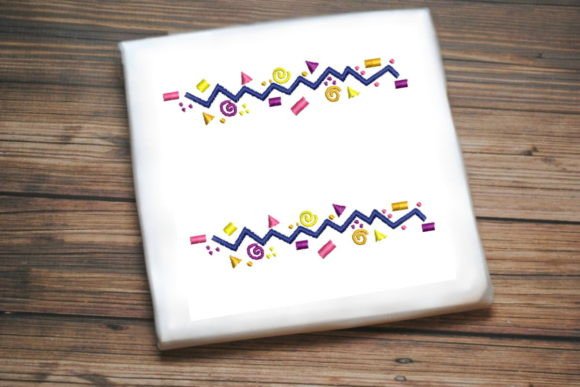
Photography plays a huge role here. A well-stitched border provides excellent visual interest in product shots. It frames the item naturally, drawing the eye to the center where a name or date might be embroidered. This compositional benefit makes creating printable mockup images easier and more effective. Customers can visualize the finished product in their homes, increasing the likelihood of a purchase. The emotional connection formed by seeing a beautiful, traditional design on a potential gift can be the deciding factor in closing a sale.
Practical Steps for Successful Stitching
To ensure the best results with this digital embroidery file, I advise following a strict testing protocol. Never skip the step of stitching out a sample on scrap fabric. This allows you to check the stitch density and tension settings without risking expensive material. Pay close attention to how the threads lay; there should be no looping or bird-nesting. If you notice issues, adjust your top tension or needle type.
Confirm the commercial licensing terms before selling any finished product. While the description implies ease of use, always verify that you have the right to sell items made with this design, especially if you are running a small business. Check the file format compatibility with your specific embroidery machine to avoid conversion errors that can alter stitch paths.
Finally, compare light and dark fabric mockups side by side. This helps you curate a palette of thread colors that work universally. Keep a record of which combinations receive the most positive feedback from your customers. Over time, this data will help you refine your offerings and maximize the potential of Amazing Traditional Border in your shop.
In conclusion, this design offers a blend of elegance and practicality that suits a wide array of personalized gifts. By respecting the technical limitations of different fabrics and prioritizing proper stabilization, you can create stunning items that resonate with customers seeking meaningful, handmade treasures. Whether for a wedding gift, a baby shower present, or home decor, this border has the potential to become a staple in your embroidery toolkit.