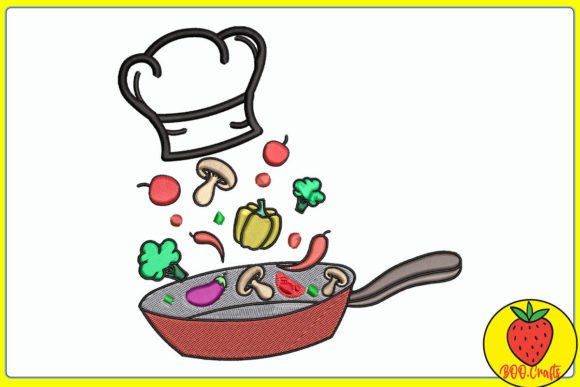
Pan Kitchen Embroidery Design Review
As an embroidery designer who has spent years digitizing patterns and testing them on everything from delicate silk to heavy canvas, I approach every new machine embroidery design with a critical eye. It is not just about whether the file opens correctly; it is about how the final product feels in a customer’s hands. Recently, I downloaded the Pan Kitchen design to see if it truly delivers on its promise of being a vibrant and unique cooking motif suitable for personalized gifts. After stitching it out on various materials, I am ready to share my honest assessment for fellow crafters, Etsy sellers, and small business owners looking to expand their kitchen-themed collections.
First Impressions: Mood and Visual Appeal
The moment I loaded the Pan Kitchen file into my software, I was struck by its playful yet classic aesthetic. The design captures the warmth of home cooking without feeling cluttered. It strikes a balance between modern simplicity and traditional charm, making it versatile for a wide range of demographics. For those of us creating handmade products, the emotional appeal is crucial. This design does not just depict a pan; it evokes the feeling of a Sunday morning breakfast or a family dinner prepared with love.
The detail level is appropriate for general consumer goods. It is intricate enough to look professional and high-value but not so dense that it becomes stiff or prone to puckering on lighter fabrics. Whether you are aiming for a sweet, homemade vibe or a more polished, boutique look, this embroidery file adapts well. It feels particularly strong for customers who appreciate culinary arts, home chefs, and those who take pride in their kitchen space.
Versatility Across Product Lines
One of the strongest assets of the Pan Kitchen design is its adaptability. The product description suggests it looks great on shirts, aprons, hats, canvas, and towels, and my testing confirms this versatility. Here is how I envision it performing across different categories:
- Kitchen Linens: This is arguably the best fit. An embroidered towel featuring this design makes for an excellent housewarming gift. The motif centers beautifully on standard hand towels and tea towels, adding a touch of personality to functional items.
- Aprons and Chef Gear: For the serious home cook, embroidering this onto a high-quality cotton apron creates a premium personalized gift. It works well on the bib or the lower pocket area, depending on the hoop size you choose.
- Tote Bags and Canvas: The design holds up well on thicker materials like canvas tote bags. It adds a whimsical touch to grocery shoppers or market bags, appealing to eco-conscious buyers who love unique accessories.
- Nursery and Baby Items: While primarily a kitchen design, the gentle lines can work for baby embroidery projects, such as bibs for a "little chef" theme. However, caution is needed regarding stitch density on soft baby fabrics.
Strategic Placement and Fabric Considerations
While Pan Kitchen is robust, successful execution depends on understanding where to place it and what fabrics to use. As experienced makers know, a design that looks perfect on screen can fail if the fabric texture and stitch density are not compatible.
When working with textured fabrics like waffle-weave towels or thick terry cloth, you must ensure your stabilizer is up to the task. I recommend using a cut-away stabilizer for items that will undergo frequent washing, such as kitchen towels and aprons. This prevents the design from shifting or distorting over time. For stretchy fabrics, such as those used in fitted shirts or baby clothes, a tear-away stabilizer with a topping might be necessary to keep the stitches from sinking into the pile.
Be cautious with dark fabrics. If the design relies on light thread colors for contrast, ensure you are using high-quality rayon or polyester threads that do not fray easily. A test stitch-out on scrap fabric is non-negotiable here. Check the thread colors against your specific fabric shade to ensure the vibrancy mentioned in the description translates to reality. If the design includes small lettering or fine details, verify that they remain legible after stitching, especially if you are scaling the design down for smaller items like hat fronts or pocket squares.
Enhancing Giftability and Perceived Value
For Etsy sellers and small shop owners, the perceived value of a product is often tied to the quality of the embellishment. The Pan Kitchen design contributes significantly to this perception. It transforms a generic item into a thoughtful wedding gift or a cherished family keepsake. When a customer receives an apron or towel with this unique cooking motif, it signals that care and effort went into the creation.
This emotional connection drives buyer engagement. In product photography, the design acts as a focal point. Whether you are creating a printable mockup for your online store or staging a physical photoshoot, the distinct lines of the pan and accompanying elements draw the eye. It helps tell a story about the lifestyle of the buyer—someone who values home, comfort, and culinary creativity. This narrative power can justify a higher price point for your custom embroidery services.
Practical Notes for the Embroiderer
Before you list this as a small shop product or include it in your next craft fair inventory, there are several technical steps you must take to ensure consistency and quality:
- Check the Hoop Size: The product description does not specify exact dimensions. Always check the file properties in your embroidery software to confirm the hoop size requirements. Ensure your machine can accommodate the largest version of the design if you plan to offer multiple sizes.
- Review Stitch Density: High-density designs can cause puckering on lightweight fabrics. If you find the design too dense for a particular material, consider using a lighter weight thread or adjusting the tension settings on your machine.
- Confirm Licensing: If you are selling finished products, such as embroidered pillows or blankets, you must confirm the commercial licensing terms of the digital embroidery file. Never assume a download includes commercial rights unless explicitly stated.
- Test Wash Durability: Since kitchen items are washed frequently, test the durability of your stitch-out. Wash and dry the sample multiple times to check for thread breakage or color bleeding. This step builds customer trust and reduces returns.
- Mockup Variations: Create previews showing the design on both light and dark fabrics. This helps customers visualize the final product and reduces hesitation during the purchasing process.
Final Verdict for Crafters and Sellers
The Pan Kitchen design is a solid addition to any embroidery library focused on home and lifestyle products. It is not overly complex, which makes it efficient for production runs, yet it possesses enough character to stand out in a crowded market. For wedding gift designers, it offers a charming alternative to traditional monograms. For baby product creators, it provides a cute, thematic option for shower gifts. And for general crafters, it is a reliable choice for creating heartfelt, personalized items.
Ultimately, the success of this design in your shop will depend on your execution. By paying attention to stabilizer choice, thread quality, and fabric compatibility, you can leverage this commercial embroidery asset to create high-quality, memorable products. Whether you are stitching a single pillow cover for a friend or producing a batch of aprons for a local boutique, Pan Kitchen delivers the warmth and quality that customers seek in handmade goods.