Decorative Elements: A Designer’s Review for Business Use
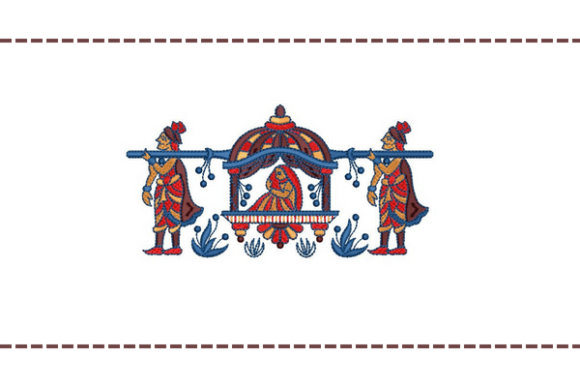
As an embroidery designer who has spent years digitizing and testing files for commercial use, I approach every new machine embroidery design with a critical eye. It is not enough for a pattern to look pretty on a screen; it must perform flawlessly under the needle when applied to real-world merchandise. Today, I am reviewing Decorative Elements, a creative file categorized under Wedding Designs but possessing a versatility that extends far beyond bridal wear. For small business owners, Etsy sellers, and apparel decorators, understanding how this design translates into tangible products is key to maximizing its value.
First Impressions: Visual Personality and Brand Fit
The product description promises a "cozy and artistic feel," and upon initial inspection, Decorative Elements delivers on this premise. The aesthetic leans towards the handmade and rustic, offering a softness that contrasts nicely with the rigid, corporate logos often seen in traditional branding. For a boutique, bakery, florist, or creative studio, this visual personality is a significant asset. It feels approachable, warm, and premium without being overly ornate.
However, from a professional standpoint, we must ask: does this "cozy" vibe translate to professionalism? In my experience, yes. Modern consumers crave authenticity. A design that looks slightly organic or artistic can enhance brand identity by signaling that a business values craftsmanship. Whether you are creating small business merch for a local café or branded items for a pet brand, this design serves as an excellent accent that humanizes your brand.
Real-World Applications for Small Business Merchandise
The true test of any digital embroidery file is its adaptability. Here is how I envision Decorative Elements performing in various commercial scenarios:
- Embroidered Patches: This is perhaps the strongest use case. The artistic nature of the design works beautifully as an iron-on or sew-on patch. You can produce batches of these patches to sell as standalone products or use them to upgrade plain tote bags and jackets. Ensure you check the stitch density to prevent the patch from becoming too stiff.
- Apron Embroidery: For bakeries and florists, staff uniforms are walking billboards. Placing this design on the chest pocket or lower corner of a canvas apron adds a touch of elegance. It elevates the perceived value of the service provided, making the staff look like skilled artisans rather than just employees.
- Tote Bag Design: Canvas totes are a staple for retail shops. Because the design is described as suitable for home decor and clothes, it likely scales well. A centered placement on a tote bag creates a stylish, minimalist look that customers will actually want to carry around, increasing your brand visibility.
- Cap Embroidery: Using this on headwear requires caution. If the design has intricate details, it may lose clarity on the curved surface of a cap front. I recommend using it as a side-panel accent or on unstructured dad hats where the fabric is softer and more forgiving.
- Product Packaging Accents: Imagine stitching this onto a small muslin bag used for packaging jewelry or soaps. It transforms simple packaging into a memorable unboxing experience, directly impacting customer trust and satisfaction.
Technical Considerations and Potential Pitfalls
While the artistic appeal is high, there are technical constraints you must address before running a production batch. The description notes that the design comes with "multiple embr" formats, which suggests versatility, but it does not specify exact stitch counts or dimensions. This lack of specific data means you must proceed with due diligence.
Stitch Density and Fabric Texture: Cozy, artistic designs often rely on fill stitches to create depth. If the stitch density is too high, the design may pucker lightweight fabrics like bedsheets or thin cotton shirts. Always test on a scrap piece of your intended material. For textured fabrics, such as terry cloth towels or heavy denim, ensure the design has sufficient underlay to anchor the stitches properly.
Size Limitations: Do not assume this design will work at miniature sizes. If you plan to use it as a small chest logo on a work shirt, verify that the fine details do not merge together. Tiny lettering or intricate outlines can become a blob of thread if scaled down too far. I always advise creating a printable mockup at actual size to inspect the spacing before hooping.
Color Contrast: Since this is a decorative element, thread color choice is critical. On dark uniforms, you will need high-contrast thread colors to ensure visibility. Test the design in black and white first; if it loses its definition without color, it may rely too heavily on hue rather than shape, which can be problematic for monochrome branding needs.
Enhancing Brand Identity and Customer Trust
Incorporating Decorative Elements into your product line is not just about aesthetics; it is a strategic move for brand building. Consistent use of high-quality embroidery signals attention to detail. When a customer receives a finished product with clean, well-executed stitching, their perception of your brand’s quality increases.
For Etsy sellers and handmade brands, this design can serve as a signature mark. By using it consistently across different items—such as pillowcases, clothes, and home decor—you create visual consistency. This recognition builds trust. Customers begin to associate that specific artistic flair with your business, distinguishing you from competitors who use generic, mass-produced prints.
Practical Designer Notes for Production
Before you commit to a large run of custom apparel or accessories, follow these practical steps to ensure success:
- Verify File Details: The product description is vague on technical specs. Contact the seller or check the download folder immediately for hoop size requirements and stitch counts. Confirm that the file formats match your machine’s capabilities.
- Check Commercial Licensing: Never assume a file is free for commercial use. Read the license terms carefully. Ensure you are allowed to sell items made with this embroidery file and whether there are limits on production volume.
- Select the Right Stabilizer: For home decor items like pillows, a cut-away stabilizer provides long-term durability. For garments that need to remain soft, consider a tear-away or wash-away option, but test for stability first.
- Create Client Mockups: If you are doing work for a client, such as a local business ordering staff uniforms, create a digital mockup showing the design on their specific garment color. This manages expectations and prevents disputes over thread color matching.
- Test Wash Durability: Items like aprons and tote bags undergo frequent washing. Stitch out a sample, wash it five times, and inspect for thread breakage or fabric distortion. This step is crucial for maintaining your reputation for quality.
Final Verdict for Embroidery Professionals
Decorative Elements is a promising addition to your library of design assets, particularly if your niche involves lifestyle brands, boutiques, or wedding-related merchandise. Its strength lies in its ability to add a human, artistic touch to functional items. However, its success depends entirely on your technical execution. By respecting the limitations of fabric texture, hoop size, and stitch density, you can transform this simple digital file into a powerful tool for brand elevation.
Remember, in the world of commercial embroidery, the difference between a good product and a great one is often found in the details. Take the time to test, adjust, and perfect your setup. When done correctly, this design can help you create memorable, high-value merchandise that resonates with customers and strengthens your brand identity.