Cute Cherry: A Designer’s Review for Craft Fairs
As an embroidery designer who has spent countless weekends behind a booth table, I know that the difference between a browsing customer and a buying customer often comes down to visual impact. When I first loaded the Cute Cherry design into my software, my immediate thought was about versatility. In the world of handmade markets, you need designs that pop from ten feet away but still hold up under close inspection. This review breaks down how this specific food-themed motif performs when translated from a digital embroidery file into tangible, sellable goods.
First Impressions: Bold, Playful, and Market-Ready
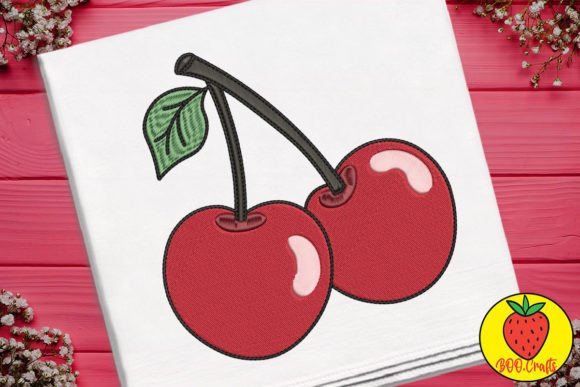
The title Cute Cherry sets a clear expectation, and the design delivers on that promise. It does not try to be overly complex or hyper-realistic. Instead, it leans into a stylized, cheerful aesthetic that fits perfectly within the current trends of modern farmhouse and playful minimalist decor. For a craft fair seller, this is gold. Complicated designs with thousands of stitches can take hours to run, eating into your profit margins. A design that feels "cute" and approachable usually implies cleaner lines and manageable stitch counts, making it ideal for batch production.
When evaluating the visual appeal, I look for clarity. Does the shape read instantly? Yes. The cherry motif is universally recognized, evoking feelings of summer, sweetness, and nostalgia. This emotional connection is vital for a handmade product. It is not just a piece of fabric; it is a vibe. Whether you are aiming for a rustic kitchen look or a bright, pop-art style accessory, this design serves as a strong focal point without overwhelming the base material.
Product Potential: Where This Design Shines
The product description suggests shirts, aprons, hats, canvas, and towels. From a practical standpoint, I would prioritize these items based on how the design interacts with the fabric texture and surface area.
- Apron Embroidery: This is arguably the strongest use case. An apron provides a large, flat canvas where the cherry can sit prominently on the bib or pocket. It transforms a utilitarian item into a giftable craft fair product. Customers love buying kitchen textiles that feel personalized and cheerful.
- Tote Bag Design: Canvas totes are staples at any market. Placing Cute Cherry in the center or as a corner accent creates an instant bestseller. The contrast of red thread against natural beige canvas is classic and high-visibility.
- Tea Towel Embroidery: Kitchen towels are excellent impulse buys. However, you must be cautious here. Terry cloth and waffle weave textures can swallow small details. If the design has open spacing, it will work beautifully. If it is too dense, it may pucker the thin fabric.
- Embroidered Patch: If you create iron-on or sew-on patches, this design is perfect. Patches allow you to pre-produce inventory regardless of the final garment. You can stitch dozens of cherry patches on stable twill and then attach them to hats, bags, or jackets on demand.
Production Realities: Stitch Density and Stabilizer Choices
Before you commit to running this design on fifty units, you must address the technical side. As an experienced designer, I always advise checking the stitch density. Cherries often involve solid fills of red thread. If the density is too high, you risk needle heat breaking the thread or the fabric puckering excessively. If it is too low, the backing fabric might show through, ruining the premium look.
Choosing the right stabilizer is non-negotiable. For woven fabrics like cotton aprons or canvas totes, a cut-away stabilizer provides long-term durability, ensuring the design doesn't distort after washing. For knit fabrics like t-shirts, a tear-away with a top stabilizer might suffice, but test it first. The goal is a smooth finish that feels soft to the touch, not stiff and cardboard-like.
Another critical factor is thread colors. While red and green are standard, consider your brand palette. A deep burgundy cherry with sage green leaves might appeal to a more mature, rustic demographic, while bright primary red and lime green will attract a younger, playful crowd. Always run a test stitch on scrap fabric to check tension and color blending.
Selling Strategy: Visual Appeal and Customer Attention
In a crowded marketplace, your booth display needs to stop traffic. Cute Cherry works well because it is simple enough to be understood at a glance. When setting up your table, group items by color story. Display the embroidered aprons hanging vertically so the design is eye-level. Use the tote bags as backdrop elements.
For online sales, particularly for an Etsy seller, photography is everything. This design photographs well because of its high contrast. Ensure your printable mockup images show the texture of the stitches. Close-up shots that highlight the quality of the embroidery justify a higher price point. Buyers need to see that this is a high-quality machine embroidery design executed with precision, not a cheap print.
Consider the scale. Does the design work as a small accent on a pocket, or does it need to be larger to be effective? If the details are tiny, avoid placing it on textured towels where it might get lost. Conversely, if it is bold and graphic, it can handle larger scales on pillow covers or market bags. Always confirm the recommended hoop size before purchasing the digital embroidery file. You do not want to buy a design that requires a 5x7 hoop if you only own 4x4 machines.
Practical Designer Notes for Batch Production
If you are planning to sell finished products, consistency is key. Here is my checklist for producing Cute Cherry items efficiently:
- Test on Scrap Fabric: Never run a new design on your final product first. Test on the exact same fabric type to check for puckering or thread breaks.
- Check Thread Contrast: Ensure your bobbin thread matches the top thread or the fabric background to avoid unsightly dots showing through.
- Review Spacing: If adding text like "Sweet" or "Summer," ensure the lettering is large enough to be legible. Small lettering often fails in embroidery due to stitch limitations.
- Confirm Commercial Licensing: Before selling any commercial embroidery products, verify the license terms of the design assets. Some designers allow unlimited sales, while others have caps.
- Create Real Mockups: Do not rely solely on digital previews. Stitch one real sample, photograph it, and use that image for your marketing. It builds trust with buyers.
Final Verdict for Handmade Shop Owners
Cute Cherry is a strong contender for any spring or summer collection. It bridges the gap between decorative and functional, making it suitable for a wide range of small shop products. Its strength lies in its simplicity and universal appeal. By paying attention to fabric choice, stabilizer selection, and presentation, you can turn this single embroidery file into a cohesive line of bestsellers. Remember, the best designs are those that make the customer smile instantly. This cherry design does exactly that, offering a sweet spot for both aesthetic charm and production efficiency.